

Accountability is no longer aspirational; it is measurable. Marketers now gain clarity on how OOH contributes to RoI, incremental reach, and overall campaign effectiveness.
India’s Out of Home (OOH) market is growing rapidly; yet planning and buying have not kept pace. Media planners spend days, sometimes weeks, manually stitching together fragmented inventory, navigating inconsistent data, and coordinating across multiple vendors. In a market defined by scale and speed, this inefficiency is limiting growth, accountability, and the ability to act in real time.
The Fragmentation Challenge
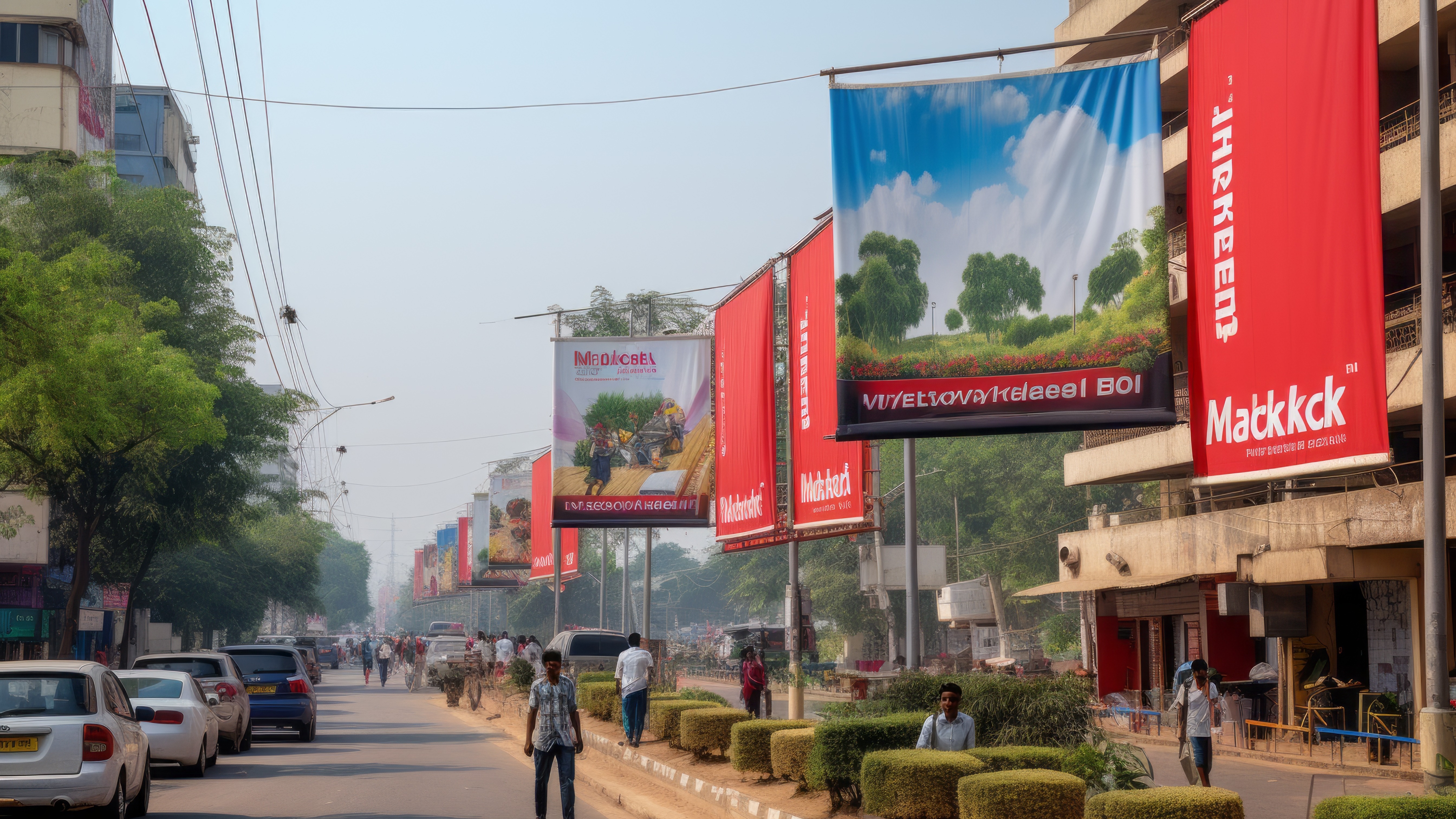
Despite the rapid rise of digital screens and growing advertiser interest, OOH in India remains highly decentralised. Inventory is scattered, measurement standards vary, and campaign execution lacks agility. Audiences move faster than ever, consuming media across multiple touchpoints, yet planning remains slow and siloed. This is the villain: fragmented, manual processes that prevent marketers from realizing the full value of OOH.
Data-driven Planning
The opportunity is enormous! In dynamic cities such as Delhi, Mumbai, Bengaluru, Hyderabad, and Chennai with constantly evolving environments, the audiences engage with the media throughout the day. Consequently, the potential to integrate OOH into broader omnichannel strategies has never been greater.
Traditional planning relies on static inventory selection and limited audience insights. A data-driven approach changes this entirely. By integrating historical campaign performance, mobility data, and audience behaviour, planners can build adaptive strategies in hours rather than weeks. Campaign execution becomes faster, more precise, and fully measurable.
Programmatic OOH enables brands to respond to real-world conditions. By using real-time audience insights, marketers can optimise placements dynamically, improve frequency management, and increase reach efficiently. These capabilities turn OOH from a reactive medium into a proactive driver of audience engagement and business outcomes.
Real-time Activation
Dynamic activation allows campaigns to respond in real time to location, and audience behaviour. OOH is no longer standalone. It amplifies reach and frequency when integrated with digital, mobile, and social channels. Forward-looking brands and agencies are already capturing measurable incremental value, extending reach, managing frequency effectively, and integrating OOH into omnichannel campaigns that drive stronger results.
Measurement That Matters
Measurement has evolved. Advertisers now focus on outcomes beyond visibility. A structured approach evaluates impressions, reach and frequency, engagement, and business impact such as store visits, conversions, or sales lift. Accountability is no longer aspirational; it is measurable. Marketers now gain clarity on how OOH contributes to RoI, incremental reach, and overall campaign effectiveness.
Early adopters who combine data-driven planning with real-time activation and layered measurement are shaping the market. They are turning OOH into a channel that not only reaches audiences but also delivers business value in a way that is fully transparent and accountable.
Seizing the Moment
As a woman leading in this space, I have learned that leadership is not about waiting for the perfect moment. It is about recognising when the moment is already here and acting with purpose. India’s streets are bustling. Our media environment mirrors that momentum. We innovate, adapt, and find actionable patterns where others see chaos.
Those who embrace data-driven planning, integrated activation, and measurable outcomes, will define how Out of Home evolves in India. The rest will be left either trying to catch up, or rendered high and dry in a market that refuses to slow down.
The author is Co-founder and Managing Director, Adtech at Moving Walls, an advertising technology company that enables leading brands to connect with and influence audiences on the move. Views expressed are personal.