
- In marketing, we often talk about the customer lifetime value. Perhaps it’s time we think about the community lifetime value.
Friday morning began like any other hurried weekday. My daughter had to reach school earlier than usual for practice sessions. Friday is ‘Maggi Day’ for her and unfortunately, we had run out of Maggi. In another time, this would have been just a small lapse. These days, it’s no longer considered a lapse. As a society, we are slowly forgetting to remember the little things, comforted by the knowledge that Quick Commerce will always have our back. But there was a catch. Q-commerce deliveries typically start after 6 am and waiting would mean she reaches school late. So, after ages, we found ourselves doing something that once used to be our second nature. My wife rang our neighbour’s doorbell and asked for a packet of Maggi.
The Neighbourhood Economy
We Didn’t Know We Lost!
There was a time - not too long ago - when neighbourhoods
functioned as micro-economies of trust. Running out of sugar,
milk or onions wasn’t a problem. You didn’t reach for your phone;
you reached for your neighbour’s doorbell. Borrowing wasn’t transactional; it
was relational. The borrowed
item rarely came back alone.
A bowl of sugar would return alongside some homemade kheer. A cup of curd would
come back with freshly
cooked sabzi. These weren’t just exchanges of goods; they were exchanges of warmth, culture, and
connection.
Sociologists often refer to this as ‘social capital' — the invisible glue that binds communities together. Research by the Organisation for Economic Co-operation and Development (OECD) shows that nearly 90% of people with strong social connections report having someone to rely on in times of need, while those lacking such ties are significantly more prone to loneliness and poorer mental health outcomes. It highlights how social capital directly influences well-being, trust, and resilience.
Back then, we didn’t measure it. We lived it.
Speed Over Serendipity
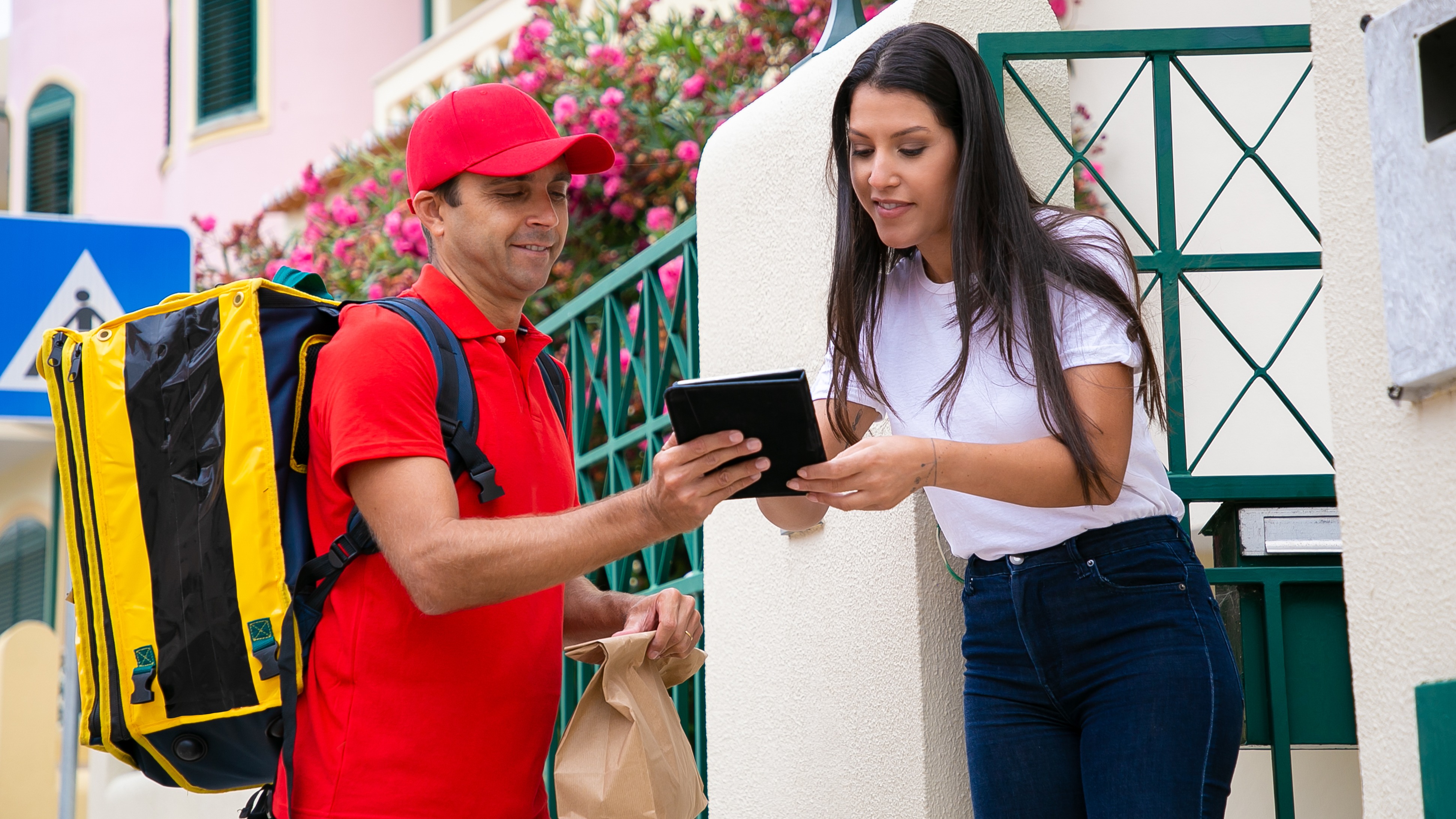
India’s Quick Commerce ecosystem has exploded in recent years. Platforms like Blinkit, Zepto and Swiggy Instamart promise deliveries in under 10–15 minutes. And they live up to their commitment.
- The Indian quick commerce market is growing at a blistering pace. A Cornell University study estimates that India’s Q-Commerce market could expand nearly 5 times from about $7 billion today to $35 billion by 2030 translating into an annual growth rate of roughly 37%.
- Urban households are increasingly relying on these platforms for top-up purchases, not just bulk buying.
- Convenience is no longer a luxury; it’s an expectation.
- From a marketing lens, this is a masterclass in addressing “immediacy”—a powerful consumer trigger. Quick Commerce didn’t just meet a need; it reshaped behaviour.
But here’s the uncomfortable question: In solving for speed, have we quietly traded away serendipity?
The
Cost of Convenience
Every time we choose an app over borrowing from our neighbour, we make a micro-decision.
Individually, it feels insignificant. Collectively, it reshapes society.
India’s urban loneliness is already on the rise. A report
by the World Health Organization (WHO) has highlighted
loneliness as a growing public health concern globally, with urban lifestyles
and digital dependence being key contributors.
- Loneliness is now recognised as a serious public health issue globally, with wide-ranging impact on mental and physical health (WHO)
- ~43% of urban Indians report feeling lonely or friendless (Ipsos Global Survey)
While
Quick Commerce didn’t create loneliness, it may have aggravated it. Because
what has disappeared isn’t just the act of borrowing.
It’s:
- The 2-minute conversation at the door
- The spontaneous sharing of food
- The familiarity of knowing who lives next to you
In marketing, we often talk about the customer lifetime value. Perhaps it’s time we think about the community lifetime value.
The Return
of the Doorbell
That borrowed packet of Maggi did more than just solve a morning crisis.
It restarted a conversation. A smile. A moment of
connection that no delivery partner could replicate. Quick Commerce will
continue to grow. It should.
But maybe, just maybe, not every need has to be fulfilled in 10 minutes. Some are better fulfilled in 2 minutes across the hallway.
A Marketer’s Dilemma: Efficiency vs Emotion
As
marketers, we celebrate
innovation that removes
friction. Quick Commerce
is frictionless brilliance. However, the best brands,
apart from optimising transactions, also create meaning. The question isn’t
whether Quick Commerce is good or bad. It’s inevitable.
The real question is: Can brands that are built for speed also create
spaces for connection? Example: Hyperlocal engagement programmes that encourage neighbour interactions. Because if brands
can influence behaviour, they can also re-humanise it.
The writer is a seasoned marketing and communications leader with over 19 years of experience spanning BFSI and leading consumer brands. Views expressed are personal.
Sources & References:
World Health Organization (2025). Social Isolation and Loneliness.
Available at: https://www.who.int/teams/social-determinants-of-health/demographic-change-and-healthy-ageing/social-isolation-and-loneliness
(Highlights that ~1 in 6 people globally experience loneliness and frames it as a growing public health concern.)
OECD (2025). Social Connections and Loneliness in OECD Countries.
Available at: https://www.oecd.org/en/publications/social-connections-and-loneliness-in-oecd-countries_6df2d6a0-en.html
(Provides insights into social capital, trust, and the role of human connections in well-being.)
Ipsos (2021). Global Advisor Survey – Loneliness in Urban India.
Available at: https://www.ipsos.com/en-in/4-10-urban-indians-became-lonelier-due-pandemic-their-spirits-did-not-flag-ipsos-global-survey
(Reports that ~43% of urban Indians felt lonely or friendless at most times.)